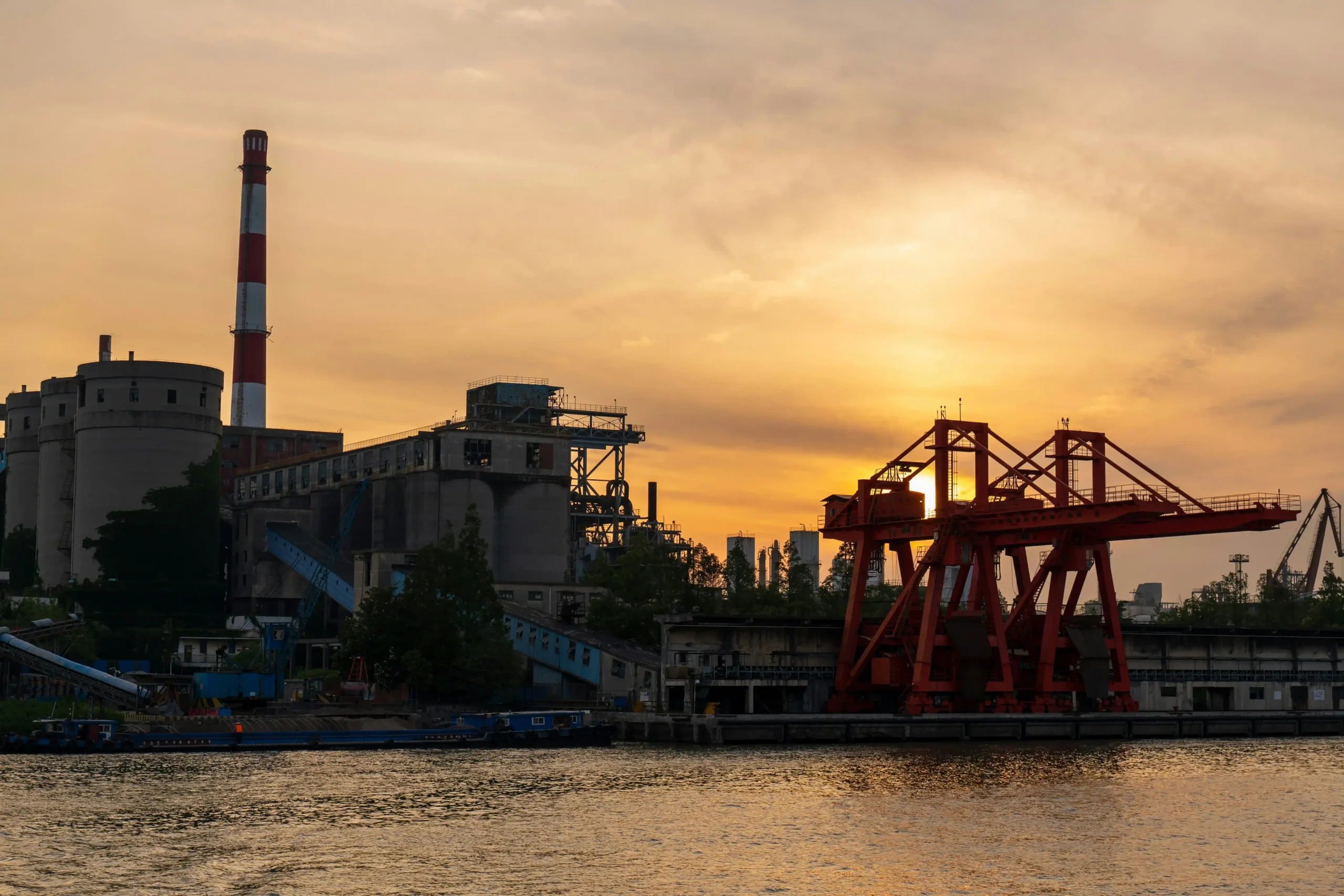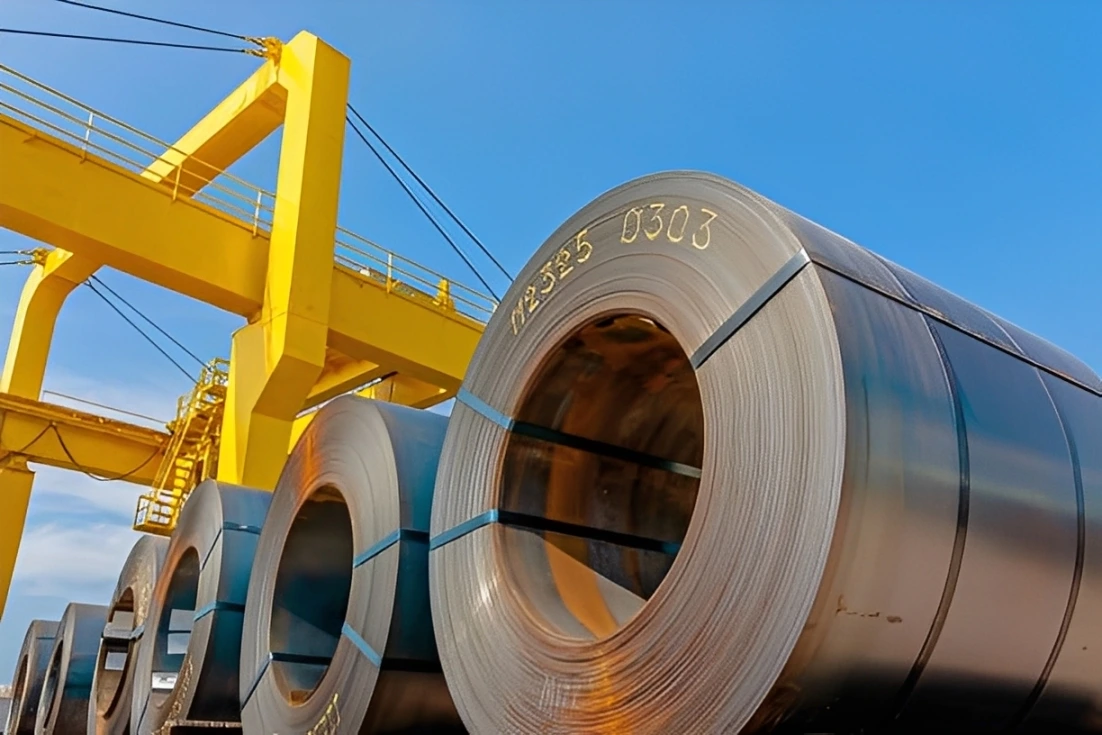

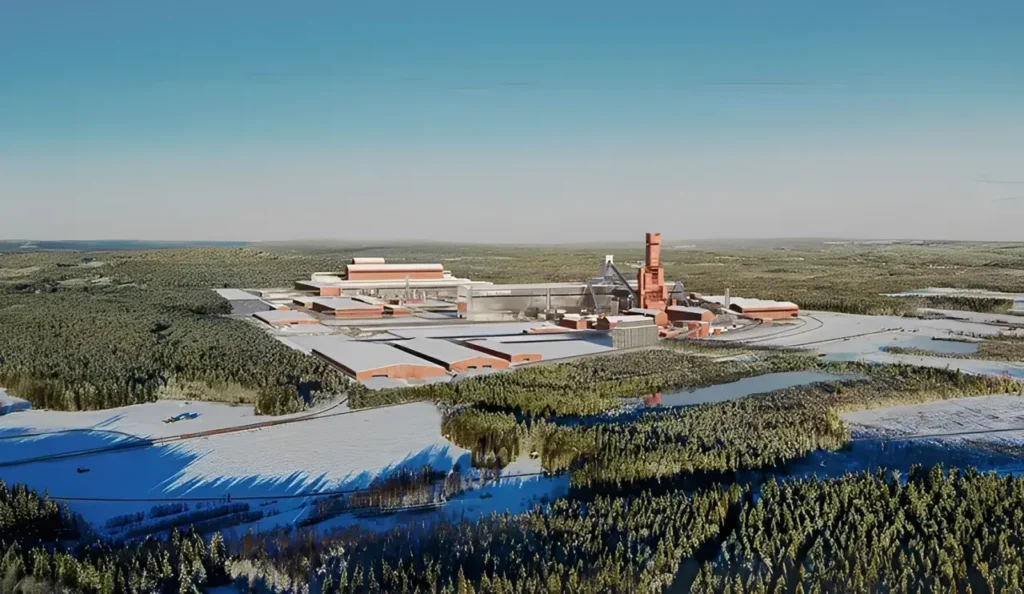
Green steel technologies have emerged as one of the major innovations in the global steel industry. Today, over 7% of global greenhouse gas emissions come from steel production, highlighting the urgent need for innovation in this sector. Among modern technologies, Hydrogen-based Direct Reduction (H₂-DRI) and Molten Oxide Electrolysis (MOE) are recognized as two key solutions for reducing emissions.
Why Green Steel Matters
Global demand for steel continues to rise, especially in construction, automotive, energy, and infrastructure sectors. If the steel industry relies on traditional methods, achieving carbon reduction targets will be impossible. Green steel provides a strategic pathway that not only helps lower CO₂ emissions but also enables global competitiveness and sustainable development.
H₂-DRI (Hydrogen-based Direct Reduction)
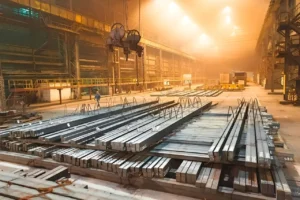
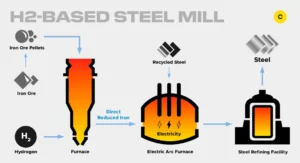
H₂-DRI is an alternative to using natural gas or coal in the direct reduction process. In this technology, hydrogen acts as the reducing agent, and the by-product is water (H₂O) instead of CO₂.
Advantages:
- Significant reduction in carbon emissions
- Compatible with sponge iron production infrastructure
- Can be combined with renewable energy sources
Challenges:
- High cost of green hydrogen production
- Requires investment in new infrastructure
Molten Oxide Electrolysis (MOE)
A prominent innovation in low-carbon steel production, MOE uses high-temperature electrolysis to directly separate oxygen from iron ore. This process does not require coal or natural gas.
Advantages:
- No direct CO₂ emissions
- Can utilize solar or wind energy
- Higher efficiency compared to conventional methods
Challenges:
- Requires advanced technology and high R&D costs
- Currently at pilot and semi-industrial stages
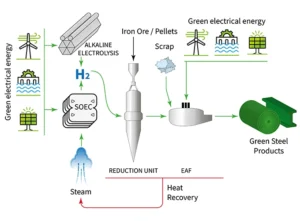
Role of Renewable Energy:
Without the use of renewable energy sources such as wind and solar, green steel production cannot achieve its full potential. Combining H₂-DRI or Molten Oxide Electrolysis with green electricity enables a fully carbon-free steel production chain.
Future of Green Steel:
Projections indicate that by 2050, over 50% of global steel should be produced using low-carbon technologies. Countries like Germany, Sweden, and Japan have made significant investments in green steel projects. For countries with high renewable energy potential, such as Iran, this presents a major opportunity to enter global markets.
Conclusion:
H₂-DRI and Molten Oxide Electrolysis technologies will shape the future of the steel industry. Moving toward green steel is not just an option—it is a global necessity for reducing emissions and achieving sustainable development.