
The steel industry is one of the most energy-intensive sectors in the world and plays a significant role in greenhouse gas emissions. In recent years, governments and international organizations have launched extensive support programs to develop green steel. These supports include tax incentives, subsidies for renewable energy, and research and development programs.
Why Government Support is Essential
High investment costs in technologies such as H₂-DRI and electrolysis pose a serious barrier to green steel development. Without government assistance, many companies cannot enter this field. Financial and policy incentives reduce investment risks and pave the way for faster development.
Global Examples of Support
- European Union: Allocated billions of euros for green steel projects through the “Innovation Fund.”
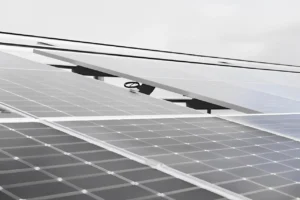
- India: In 2025, the Indian government approved a program offering solar and hydrogen energy subsidies for the steel industry.
- United States: The “Inflation Reduction Act” includes tax exemptions for steel decarbonization projects.
- Japan and South Korea: Financially support major steel companies and have launched pilot H₂-DRI projects.
Economic Impact of Incentives
These supports not only help reduce carbon emissions but also enhance the competitiveness of domestic industries in the global market. Green steel, due to high demand in developed countries, offers a profitable export market.
Opportunities for Iran
With vast renewable energy resources and rich iron ore reserves, Iran has significant potential to develop green steel. By providing financial incentives, supporting clean energy infrastructure, and advancing modern technologies, Iranian policymakers can strengthen the country’s position in the global steel market.
Conclusion
Government incentives are a key factor in transitioning the steel industry toward a sustainable, low-carbon future. Countries that invest early in this sector will benefit not only environmentally but also gain a competitive edge in the global steel market.