
Opportunities for Iran’s Steel Industry
Geographical Advantage and Access to International Markets
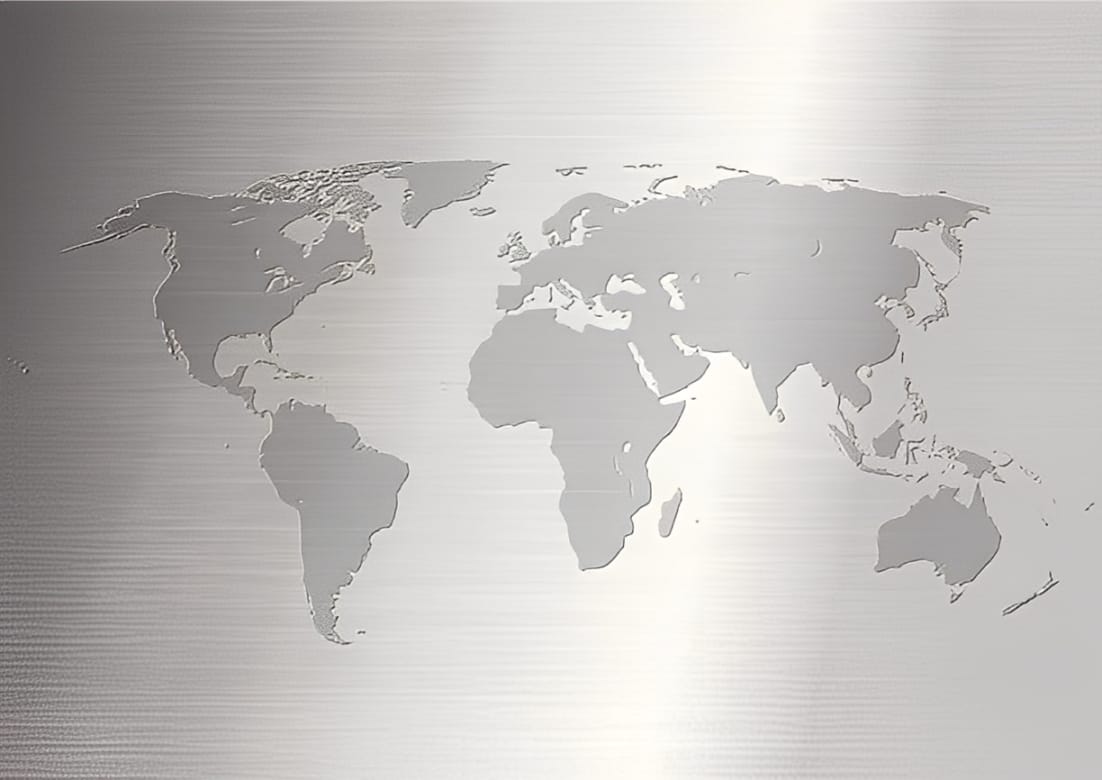
Due to its strategic location, access to open waters, and position along international trade corridors, Iran can emerge as a regional steel export hub. Proximity to major markets such as India, China, Turkey, and the Gulf countries provides ideal conditions for exports.
Abundant Mineral Resources
Iran possesses one of the largest iron ore reserves in the world. This advantage allows the entire steel production chain, from mining to the final product, to be fully developed within the country.
Skilled Workforce and Competitive Production Costs
Access to a skilled workforce at relatively lower costs compared to many competitor countries can make Iranian steel production more economically competitive.
Growing Domestic and Regional Demand
With the development of construction, infrastructure, and industrial projects within the country, along with high demand from neighboring countries, there is a stable demand for steel products.
Challenges of Iran’s Steel Industry
Sanctions and International Restrictions
Banking and trade limitations resulting from sanctions have created serious obstacles for steel exports. This issue not only makes access to new markets difficult but also increases financial transaction costs.
High Energy Consumption and Need for Optimization
Iran’s steel industry is highly energy-dependent. Considering rising energy costs and global pressures to reduce carbon emissions, this poses a threat to the industry’s future.
Intense Global Market Competition
Countries such as China, India, and Russia hold a significant share of the global steel market. Competing with these nations requires innovation, quality enhancement, and effective marketing.
Infrastructure and Logistics Challenges
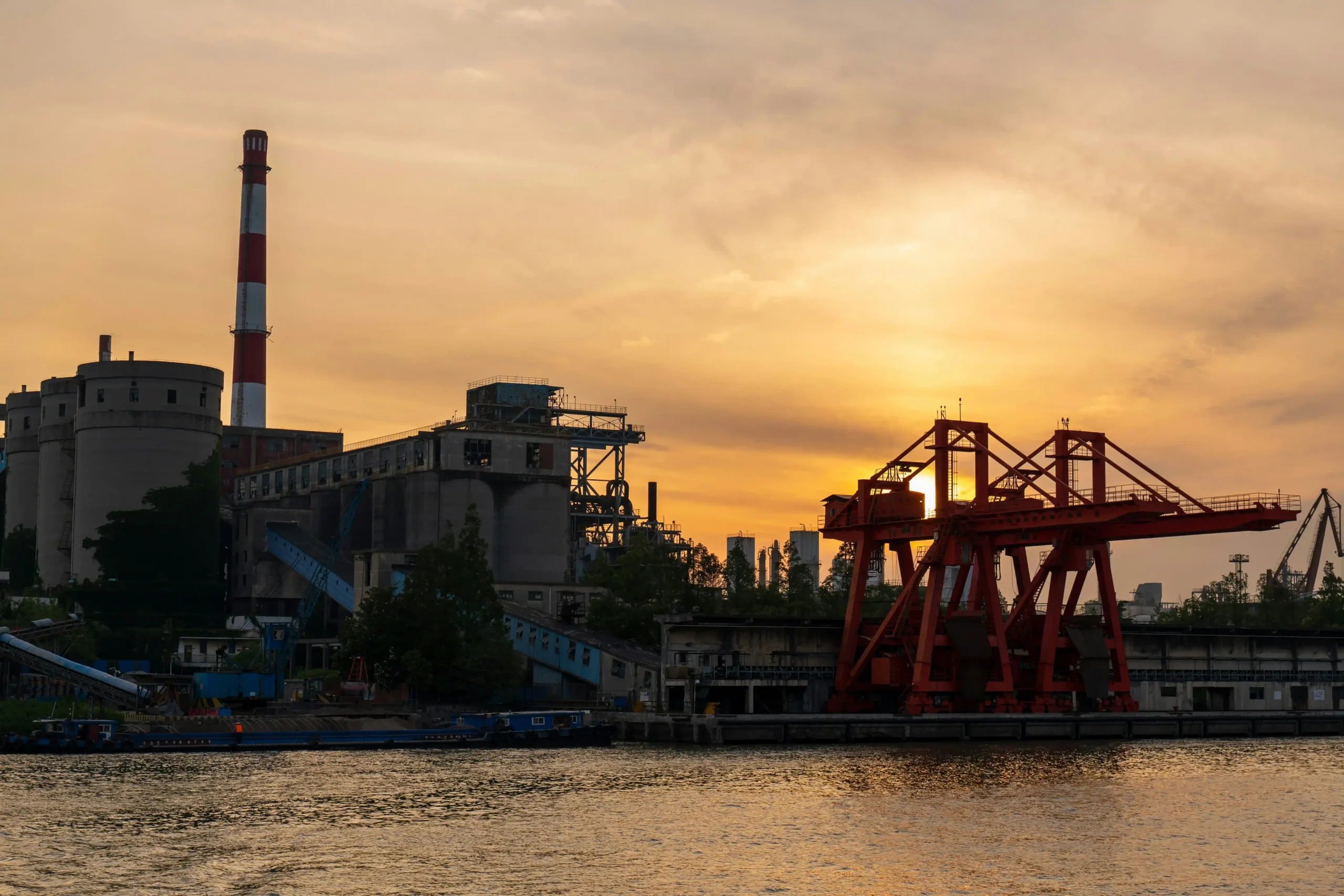
The lack of an efficient transportation network, limitations in ports, and high shipping costs represent major challenges for developing Iran’s steel export capacity.
Future Outlook for Iran’s Steel Market
Expanding Exports and Access to Global Markets
By improving trade relations and investing in export infrastructure, Iran can capture a significant share of the regional and global steel market. Focusing on exports to neighboring countries and emerging markets is an effective strategy to increase revenue and competitiveness.
Investment in Modern Steel Production Technologies
Utilizing advanced technologies such as electric arc furnaces, green steel production, and energy reduction methods can enhance production efficiency and lower costs. These measures also improve Iran’s position in the global market.
Improving Quality and Standardization of Products
Enhancing the quality of steel products and aligning them with international standards not only boosts export potential but also builds greater trust among foreign customers and opens new markets.
Risk Management and Market Flexibility
By implementing risk management strategies, such as diversifying customers, using long-term contracts, and reducing dependence on a single market, Iran can better handle global price fluctuations and sanctions.
Conclusion
Iran’s steel market has significant potential for global development. Rich mineral resources, a strategic geographic location, and adequate production capacity provide substantial opportunities for expanding exports. However, challenges such as sanctions, infrastructure limitations, and global competition remain.
By focusing on technology investment, product quality improvement, export infrastructure development, and risk management, Iran can strengthen its position in the global market and achieve sustainable growth in the steel industry.